
Strengthening SPM Through Collaboration: An IPM Achievement Awards Keynote Panel Review
The annual IPM Achievement Awards, held on February 24, 2026, brought together leaders from across California who share a common goal of advancing sustainable pest management (SPM) through collaboration, creativity, and community engagement.
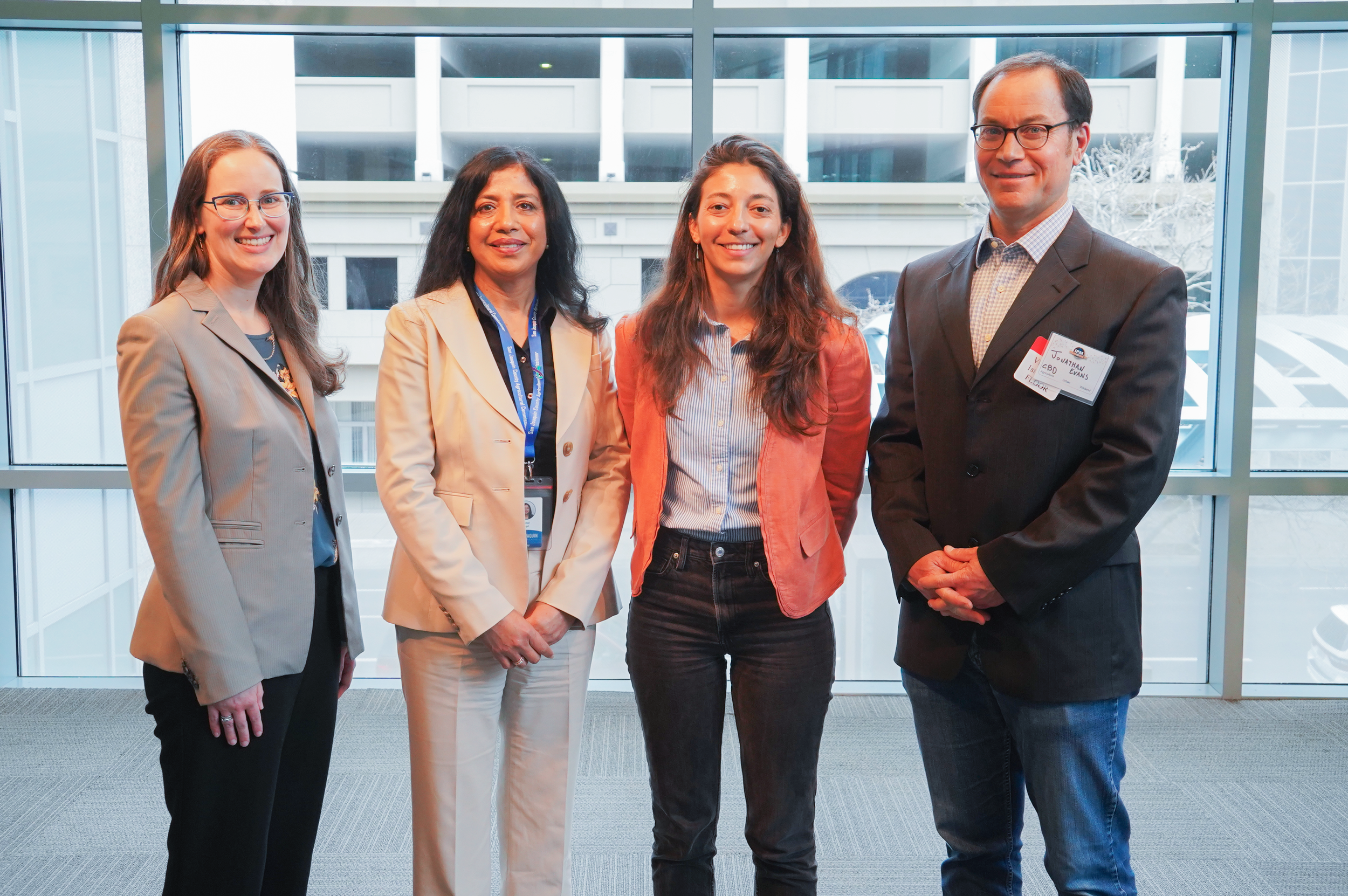
DPR Director Karen Morrison, opened the event by moderating a keynote panel featuring voices from community agriculture, environmental advocacy, and county leadership: Jamie Fanous of the Community Alliance with Family Farmers, Jonathan Evans of the Center for Biological Diversity, and Kamal Bagri the San Joaquin County Agricultural Commissioner and Sealer of Weights & Measures.
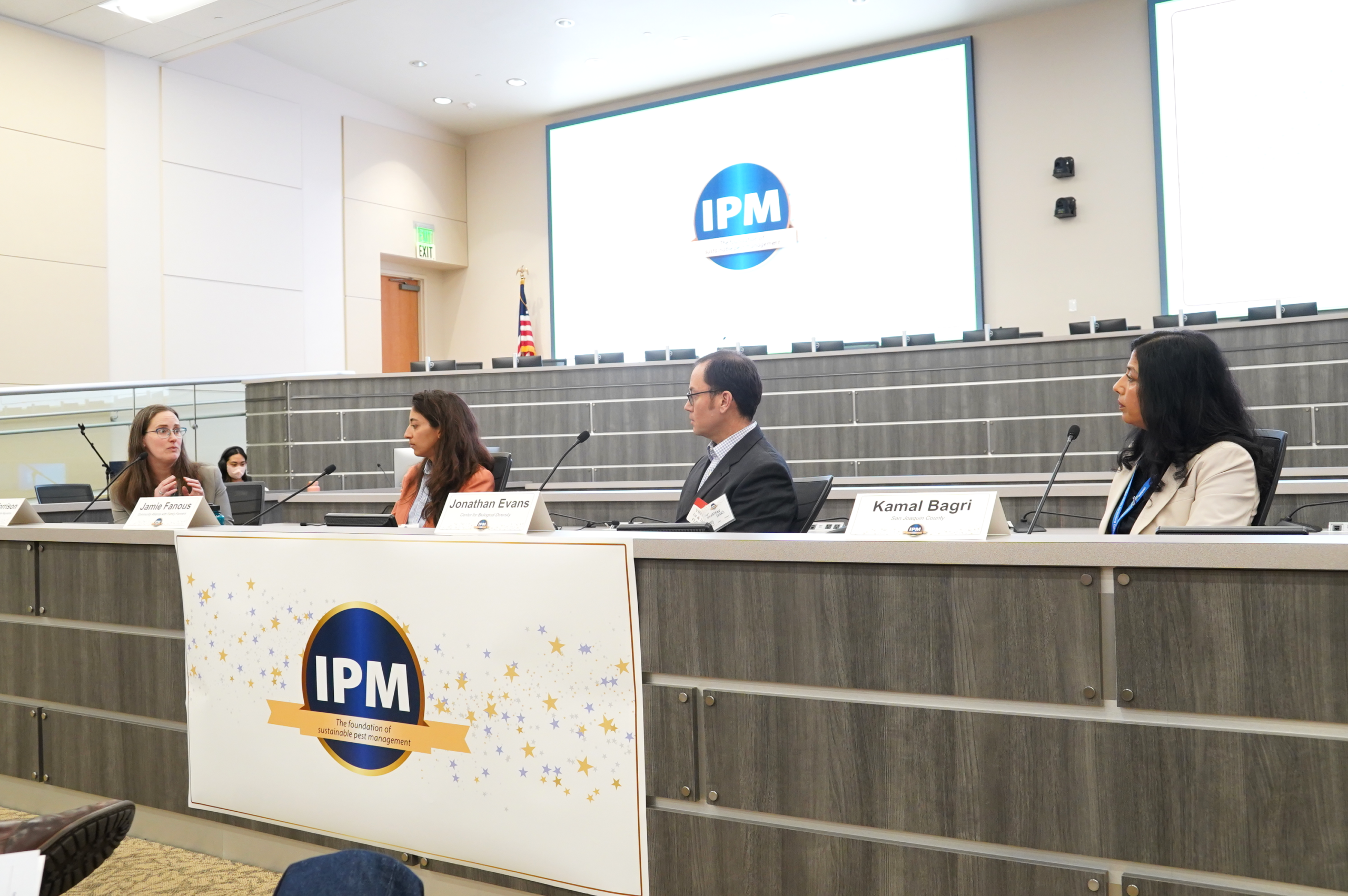

The conversation touched on how each organization is working with partners to protect human health and the environment. Commissioner Bagri described San Joaquin County’s hands-on pest prevention efforts with state and federal agencies, including the use of K9 detection teams to sniff out invasive pests before they become established. For her, SPM isn’t just about reducing pesticide inputs but also about catching problems early and preventing outbreaks altogether. Jonathan Evans added that the Center for Biological Diversity has been working on more refined mapping tools that help identify sensitive areas, noting that countywide limitations can be too general for California’s diverse landscapes.
When asked to share success stories, Jamie Fanous highlighted a recent walnut grower field day focusing on beneficial insects and other alternative pest management practices put on by the Community Alliance with Family Farmers. The event sparked a wave of interest from growers eager to integrate similar practices into their own orchards. Bagri echoed the importance of building trust with growers, explaining that as more producers adopt precision application technologies, pesticide use and drift incidents have noticeably declined.
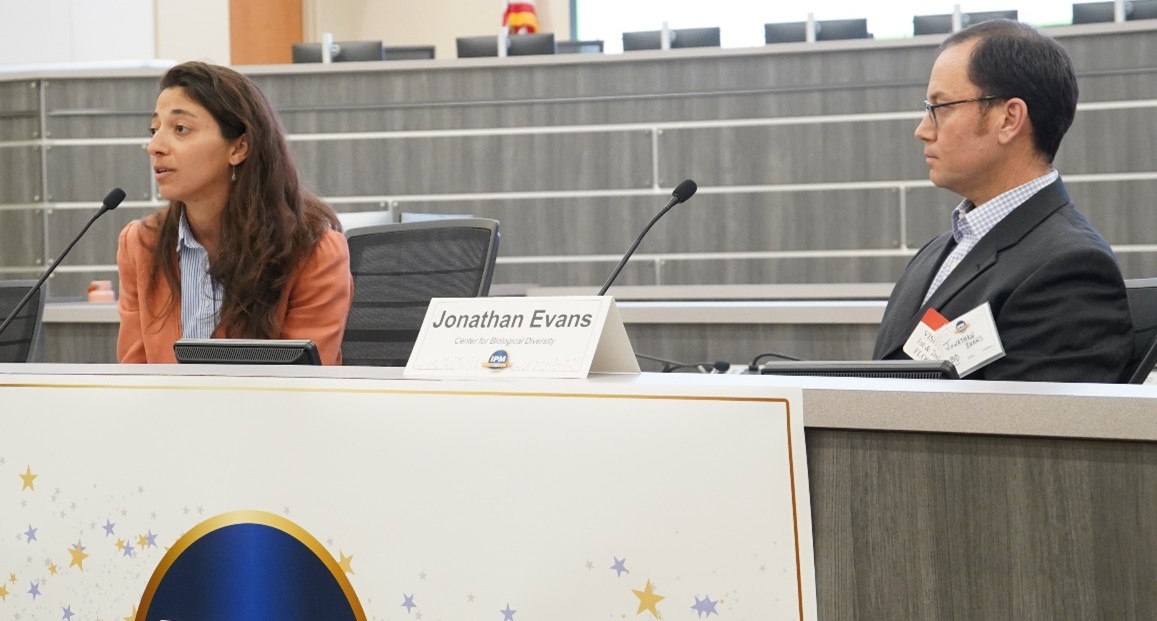
The panel ended on an optimistic note with each expert reflecting on what gives them hope for the future of SPM in California. Fanous pointed to the next generation of farmers, who are increasingly drawn to practices that support soil health, organic inputs, and data-driven management. Evans emphasized the value of California’s robust pesticide use reporting system and expressed hope that AB 2113 — which requires DPR to reevaluate pesticides annually — will continue pushing the state toward safer, more sustainable products. For Bagri, education remains the key, and she looks forward to seeing research from groups like the UC Cooperative Extension translated into practical, accessible training for growers.
Together, the panelists’ insights highlighted how collaboration and shared learning are driving meaningful progress in sustainable pest management and why the accomplishments celebrated through the IPM Achievement Awards matter more than ever.
You can also watch the full keynote panel discussion on the DPR YouTube channel.
IPM Achievement Awards Nominations
Nominations for the next award cycle are open through June 30, 2026. To submit a nomination, visit the IPM Achievement Award – Nomination Form.