
DPR Director Karen Morrison Reflects on Agricultural Tour in Brazil
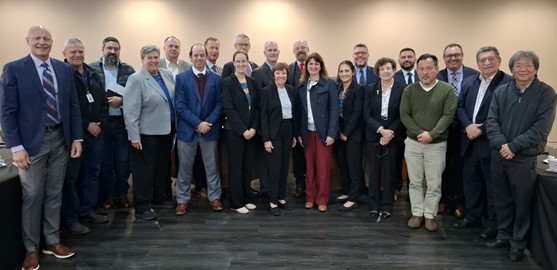
DPR Director Karen Morrison joined California Department of Food and Agriculture Secretary Karen Ross, UC ANR Vice President Glenda Humiston, and eight other agricultural leaders this summer on a tour of Sao Paulo, Brazil that examined farmers’ adaptation to a warming climate and increased pest pressures. Here are some of Director Morrison’s key takeaways:
It was an absolute pleasure to join the climate smart agriculture tour and learn more about the agricultural industry in Brazil and different methods and approaches we can learn from on the pest management and pesticide regulatory front.
Brazil is an agricultural powerhouse whose climate (year-round growing season, 3-4 plant rotations a year, and warm winters) come with high pest pressures. This has driven innovative approaches in biotechnology to combat resistance while also addressing consumer demands. This development pipeline benefits from government, start-ups, researchers, and farmers working together to find solutions.
Over the course of six days during this tour, we visited local markets, met with government representatives and researchers, heard from investors and startups, and toured farms and packing houses, to learn more about Brazil’s approaches on climate-smart agriculture and pest management.
I find myself reflecting on three things following the trip.
First is the incredible work being done within the California Department of Pesticide Regulation every day to make sure that products are appropriately evaluated before registration. This has included significant progress to reduce our registration backlogs. Since January of this year, we have reduced our queues by 55-95% in the four most impacted scientific evaluation stations. We are also supporting the adoption of biopesticides in California. Of new active ingredients registered in 2024, 5 of 9 were biopesticides.
Second, there are opportunities to learn from Brazil’s programs and see what we can build on their work within California. Within the last several years, Brazil has reduced its timelines to review new biological pesticides to 13-14 months (versus 5+ years for conventional pesticides). I look forward to exploring opportunities to apply learnings from Brazil’s work to build on our incredible progress in California.
Finally, this work requires the participation of both public and private entities. I look forward to partnering with the California Department of Food and Agriculture, University of California, the agricultural industry and other interested and impacted stakeholders on the entire pipeline of development for biological pest management tools.
These reflections align with goals for our registration program outlined in our Strategic Plan: reducing our backlogs and creating an accelerated pathway for the registration of both feasible alternatives to high-risk pesticides and tools that cover pest management gaps.
The significant progress we are already making on reducing registration backlogs will allow us to turn our attention to creating accelerated pathways for registration and working in partnership with those who develop, test, and use biological pest management tools.
There are many partners in this space: from growers interested in innovation and new technologies, to climate advocates, to commodities looking to adopt tools to manage pests economically and sustainability, to broad public, university, community and NGO partners who are seeking to work with agricultural to expand availability and adoption of lower risk pest management products. We look forward to continued engagement and conversations as we work together to build a California where pest management is safe, effective and sustainable for everyone and our environment.